The Man Who Came to Buy: How 4AKC Reads the Room Before the Sale
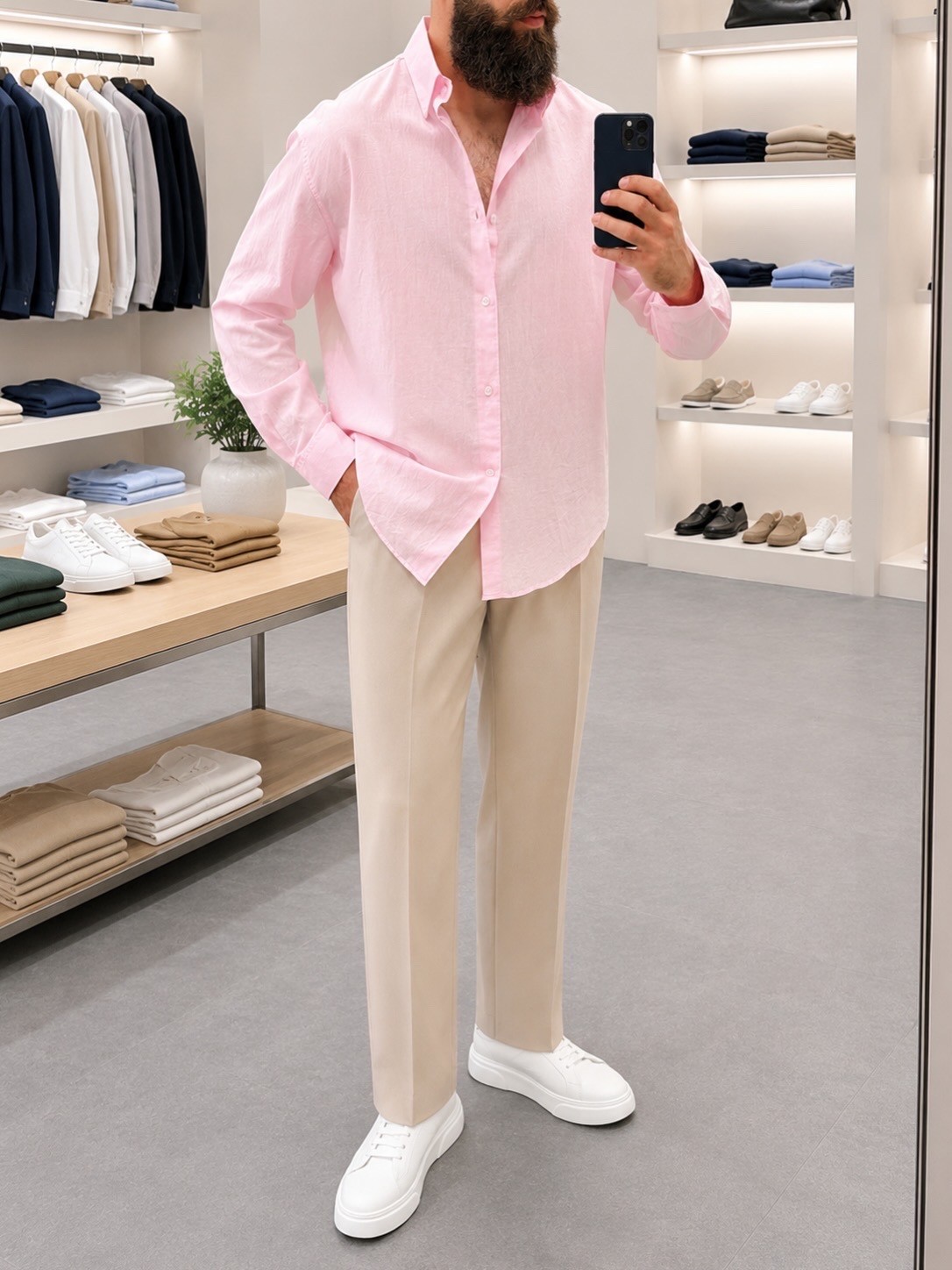
Why does understanding male shopping behavior matter for a brand?
Because the sale is often decided before the customer walks through the door. Men don't browse to discover — they browse to confirm. By the time a male customer enters a fitting room, the decision to purchase is already forming. The question is never "will he buy?" It's "is the right product in front of him at the right moment?" That's the problem 4AKC Menswear was built to solve.
So men are easier to sell to?
Not easier — different. A male customer who enters with a clear need is highly loyal to that need. If he came for a navy trouser, he'll leave with a navy trouser. Offering alternatives in different colors, suggesting delivery next week, or extending the sales conversation past the moment of intent rarely changes his decision. It can actually break it.
The sale succeeds not through persuasion, but through precision. The right product, available now, visible and accessible when the moment arrives.
How does 4AKC approach product placement differently because of this?
We ask one question before anything else lands on a shelf: will this product be in front of the right customer at the exact moment he needs it?
That question sounds simple. Answering it takes 30 years of retail experience and an equal amount of time in production. Most brands operate on one side of that equation. We operate on both. We understand what the floor demands and we build product around that demand — not the other way around.
What does "bold, unique, confident" actually mean in practice?
It means a product that doesn't require a salesperson to explain it. Bold means it holds its own on the rail — it doesn't disappear into a row of similar options. Unique means it can't be directly compared to what's next to it. Confident means the customer reaches for it without hesitation, because it already answers the question he walked in with.
These aren't aesthetic choices we make at the end of the process. They're structural decisions that shape everything from fabric selection to cut to the exact position a garment occupies in the store.
Why does production experience matter in a retail conversation?
Because most placement errors don't happen on the floor — they happen months earlier, when a product is designed without a specific customer moment in mind. When you build product without understanding where it will stand, how it will be approached, and who will reach for it, you're guessing.
We don't guess. Our production side is informed by our retail side, and our retail side is sharpened by what we know we can build. That loop is what makes a 4AKC product land where it's supposed to.
Is this approach relevant beyond menswear?
The behavior pattern applies broadly, but the stakes are particularly clear in menswear. The male customer is goal-oriented. The window of decision is narrow. Timing matters more than volume of options. That means every product we bring to market has to earn its place by being the right answer at the right moment — not a good option among many.
That's a harder standard to meet. It's also why brands that meet it build loyal customers instead of casual ones.
What does 4AKC offer that a standard supplier doesn't?
A standard supplier fills orders. We fill moments. The difference is that we've spent over three decades on the retail floor understanding which moments drive purchases, and an equal amount of time in production learning how to build the product that belongs in those moments.
When you work with 4AKC, you're not buying inventory. You're placing a solution.


